Understanding the Importance of Social Skills
Social skills are fundamental to a child's development, influencing their ability to interact, communicate, and form relationships effectively. These skills encompass everything from basic manners and conversational abilities to the more complex understanding of social cues and emotional regulation. For many children, particularly those with developmental challenges, acquiring these skills is not merely intuitive—it requires structured guidance and practice. This article explores how therapy can be an invaluable tool in fostering social skills, examining various therapeutic approaches and practical methods that support children's social growth.
Social Skills Training: Building Blocks for Social Success

How can social skills training and therapy assist in developing children's social abilities?
Social skills training and therapy play a vital role in enhancing children's social interactions. These interventions systematically teach essential skills that are necessary for effective peer engagement. One effective approach employed is group therapy, where children can practice interacting with others under the guidance of trained professionals.
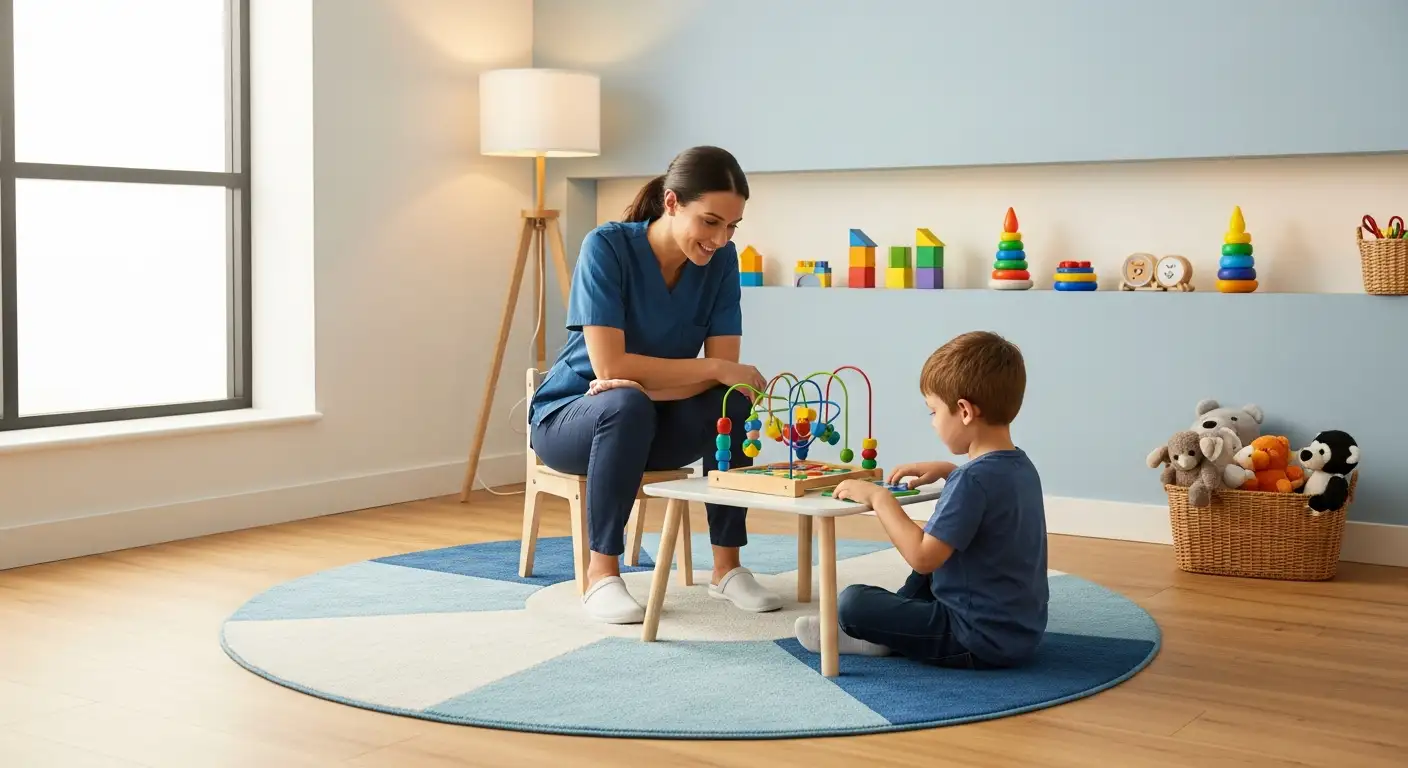
In these structured settings, children learn to recognize and interpret social cues, a critical component of effective communication. Additionally, common therapeutic strategies such as role modeling and play therapy allow children to observe appropriate behaviors and practice them in a supportive environment.
Key skills developed through social skills training include:
- Initiating and maintaining conversations: Children learn to start dialogues and keep them going, an essential aspect of building relationships.
- Understanding body language and non-verbal cues: Recognizing these signals enhances communication effectiveness.
- Conflict resolution strategies: Teaching children how to navigate disagreements constructively prepares them for real-life interactions.
- Empathy and emotional regulation: Discussing feelings and real-life scenarios fosters the ability to understand others' perspectives while managing their own emotions.
Programs tailored to address specific needs, such as those for children with autism or ADHD, incorporate various methods to reinforce learning. When parents are involved and consistent in applying these skills at home, the benefits of social skills training further extend to academic performance and emotional well-being.
Exploring Therapeutic Approaches for Enhanced Social Interaction

What therapeutic approaches can enhance children's social skills?
Therapeutic methods such as occupational therapy, applied behavior analysis (ABA), and play therapy are integral in improving children's social skills. These therapies target activities that help children recognize social cues and enhance emotional regulation.
- Occupational Therapy: Tailored interventions are designed to meet each child's individual needs. Occupational therapists work collaboratively with families, incorporating techniques that foster understanding of social norms and skills for making friends.
- Applied Behavior Analysis (ABA): ABA employs structured methods to simplify complex social interactions, breaking them down into achievable tasks. It utilizes positive reinforcement strategies to encourage practice and mastery of social skills such as turn-taking and understanding non-verbal cues.
- Play Therapy: This method provides a non-threatening environment for children to engage in therapeutic play, which promotes emotional expression and social interaction. Children learn through cooperative games, fostering essential skills like sharing and collaboration. During sessions, therapists can observe behaviors and provide real-time feedback to reinforce learning.
Through these varied approaches, children can actively develop the social skills they need to succeed in their interactions, promoting emotional well-being and peer acceptance.
Empowering Parents to Foster Social Growth in Children

Parental Role in Social Skills Development
Parents are key players in their children’s social skills development. They serve as primary role models, demonstrating behaviors that children often imitate. By showcasing respect, effective communication, and empathy, parents provide children with a framework for positive social interactions.
Strategies for Parental Support
To bolster their child’s social skills, parents can:
- Model Good Behavior: Demonstrate positive interactions. Practice greetings, maintaining eye contact, and taking turns during conversations.
- Encourage Eye Contact: Teaching children the importance of eye contact can significantly enhance their engagement during conversations, fostering connections with peers.
- Teach Emotional Awareness: Discussing emotions helps children recognize and understand their feelings, as well as those of others, strengthening their social interactions.
- Utilize Role-Playing: Create a playful environment where children can practice social skills like sharing and cooperation. This can involve games where they negotiate or solve problems together.
- Respect Individual Limits: It’s crucial for parents to understand their child’s comfort zones. Providing opportunities for social interactions that are appropriate for their current abilities allows children to develop social skills at their own pace.
By implementing these strategies, parents can actively support their children’s journey toward effective social engagement.
Engaging Activities to Boost Social Competence

What are some effective strategies and activities to support children's social development?
Supporting children's social development can be both fun and educational through various engaging activities. Here are effective strategies:
- Interactive Games: Games like Emotion Charades enable kids to practice recognizing emotions via role-playing. Staring Contest improves eye contact, vital for engaging in conversations.
- Turn-taking and Sharing: Activities like Roll the Ball teach self-control and patience while encouraging children to take turns, enhancing their ability to cooperate with peers.
- Team Sports: Involvement in sports fosters teamwork, communication, and a sense of belonging, allowing children to practice social skills in real scenarios.
- Community Gardening: This group activity not only offers responsibility but also encourages collaborating with others, aiding the development of social dynamics.
- Improvisational Storytelling: It helps children express creativity and encourages them to listen to peers, enhancing their conversational skills and spontaneity.
Group Games and Activities
Group settings amplify the learning experience. Here are a few recommended group games:
These activities foster a supportive environment, making social skills training enjoyable and effective.
Occupational Therapy's Impact on Social Skills Development
What is the role of Occupational Therapy in improving social skills?
Occupational Therapy (OT) plays a crucial role in enhancing social skills through tailored interventions and group activities designed to foster peer interaction and communication among children. This supportive approach creates a safe environment where children can practice essential skills like sharing, listening, and taking turns, which are fundamental for effective social interactions.
Using techniques such as role-playing, social stories, and adaptive play, OT promotes emotional awareness, helping children navigate complex social scenarios. These methods encourage children to express their feelings, understand social cues, and regulate their emotions more effectively.
Parental involvement is also emphasized in OT, as it reinforces learned skills at home. By encouraging communication and facilitating structured social interactions, parents can maximize the benefits of therapy for their children, helping them to build meaningful relationships and enhance their emotional well-being.
Overall, OT supports children in overcoming social barriers, contributing significantly to their development of confidence and competence in social settings.
Therapeutic Interventions for Social Communication Disorders
How can therapy assist children struggling with social communication disorders?
Therapy can significantly assist children struggling with social communication disorders (SCD) by providing targeted interventions that enhance their communication skills in social contexts. Speech-language pathologists (SLPs) play a crucial role in assessing and treating SCD, using techniques such as social skills training and group interventions to help children practice interactions with peers.
Therapeutic approaches may incorporate various strategies:
- Social Stories: These narratives help children learn appropriate behaviors in specific social situations, enhancing their understanding of social cues.
- Role-Playing: This method allows children to practice social interactions in a safe and supportive environment, improving their conversational skills and comprehension of non-verbal cues.
- Video Modeling: Involves demonstrating appropriate social behaviors through video examples, giving children a visual guide for interaction.
Cognitive-behavioral therapy (CBT) can also be beneficial to manage anxiety, boosting children's self-confidence and further improving their social interactions. By fostering a supportive environment and emphasizing family involvement, therapy can empower children with SCD to develop essential communication skills and better engage with their peers.
Intervention strategies
Effective intervention strategies are key to helping children with SCD. Individual therapy often starts with personalized goals focusing on:
- Verbal and Non-Verbal Communication: Enhancing articulation and understanding of gestures.
- Conflict Resolution: Teaching strategies to navigate disagreements constructively.
- Emotion Recognition: Assisting children in identifying and managing their emotions to improve social engagement.
Role of SLPs
SLPs are trained professionals who specialize in diagnosing and treating communication disorders. Their role involves:
- Assessment: Evaluating a child's current communication abilities to identify areas needing improvement.
- Customized Therapy Plans: Designing individualized plans that target specific social skills, such as maintaining eye contact, sharing, and engaging in dialogue.
- Group Therapy Facilitation: Leading structured social skills groups where children can practice and refine their skills in real-life contexts, enhancing peer interactions and social acceptance.
Group Dynamics: The Power of Social Skills Groups

What are the benefits of social skills groups for children's development?
Social skills groups play a crucial role in children's overall development by providing structured environments where they can practice and enhance their interpersonal abilities. Here are some key benefits:
- Structured Learning: These groups create a safe space for children to learn and implement social skills such as empathy, turn-taking, and sharing—all essential for friendship-building.
- Targeted Support: Children with conditions like ADHD or Autism Spectrum Disorder gain significant advantages from focused lessons that aim to improve their ability to recognize social cues and manage interactions effectively.
- Emotional Resilience: Participating in social skills groups bolsters social competence. Children receive immediate feedback on their interactions, fostering self-esteem and resilience in social situations.
- Academic and Future Success: Improved social skills can lead to better academic performance, as children who interact well with peers and teachers often excel in group work and conflict resolution.
- Real-Life Practice: Role-playing and interactive games help children apply concepts in real-world scenarios, teaching them how to navigate social challenges confidently.
Developmental benefits
Engaging in social skills training not only enhances interpersonal abilities but also fosters essential life skills.
Peer interaction
Children learn to interact with their peers, which is vital for forming healthy relationships and integrating into social groups, leading to overall well-being and a positive quality of life.
The Long-Term Impact of Strong Social Skills
Investing time and resources into developing children's social skills has profound implications not only for their immediate social interactions but for their long-term success and well-being. Through an integrated approach that includes therapy, parental involvement, and practical activities, children are equipped with the tools needed to navigate the complexities of social dynamics. As they learn to communicate, empathize, and engage effectively, they build a foundation for future personal, academic, and professional success. By supporting children's social development, we empower them to contribute positively to their communities and reach their fullest potential.
References
- How to Help a Child With Social Skills and Communication
- 7 Social Skills Activities | Cognitive and Behavioral Health
- How Play Therapy Can Help Build Social Skills in Children - 30005
- Social Skills Speech Therapy: Helping Children & Adults Thrive
- Social Skills for Kids: 6 Proven Strategies
- Supporting Your Child's Social Skills Development
- How Pediatric Therapy Enhances Social Skills in Children
- Social Skills - Kid Sense Child Development
You have to Start to be Great!